Colorado Commercial Battery Storage Specialists
Lower demand charges, protect critical operations and get more from your solar with battery storage designed around your facility.

Demand Charge Reduction

Solar & Storage Integration

Backup Power for Critical Loads

Load & Utility Rate Analysis

Permitting & Utility Interconnection

Commissioning & System Testing
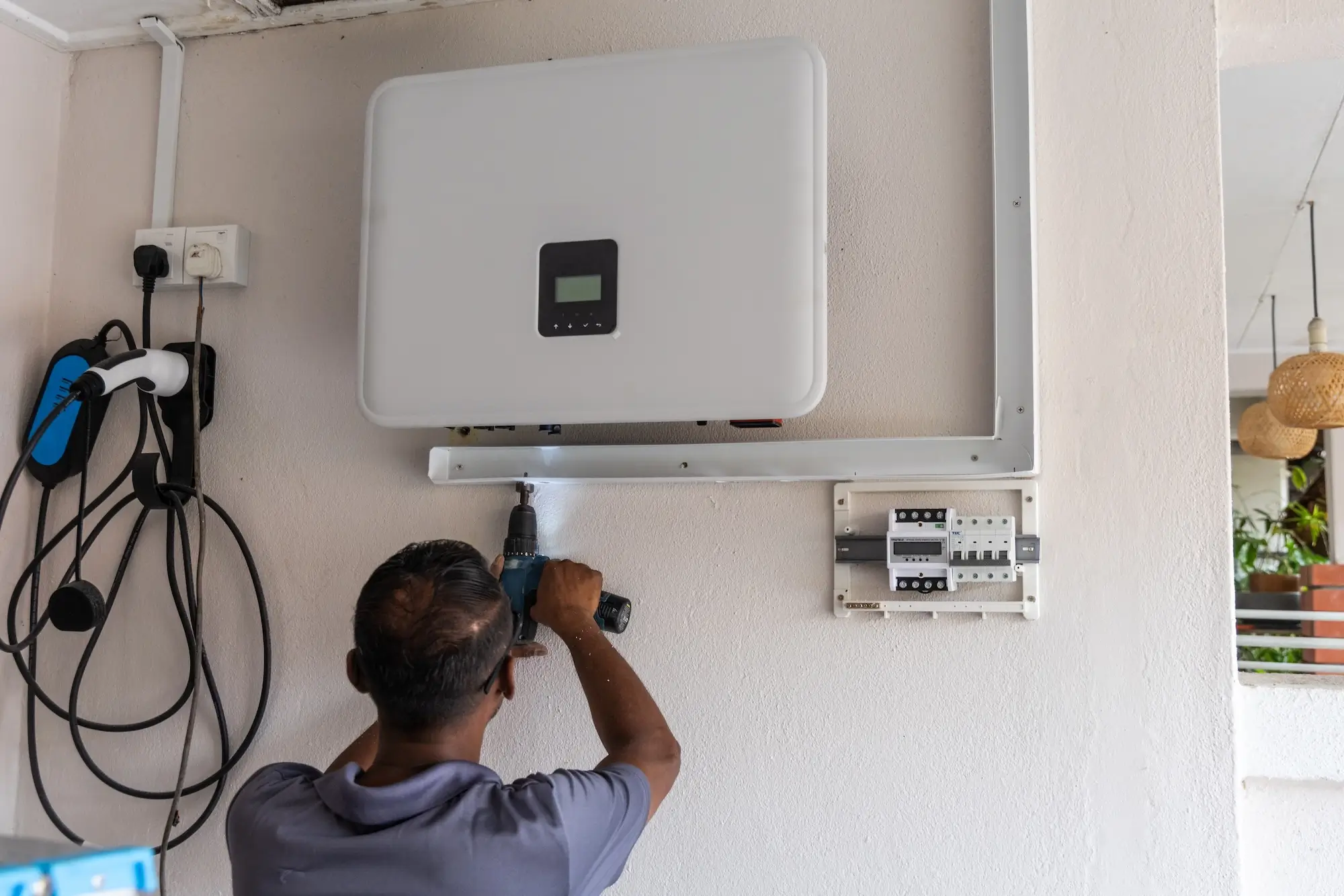
Commercial Battery Energy Storage (BESS)
Battery storage is more than a box on the wall. The right system depends on how your facility uses power, how your utility bills you, what equipment you already have and which loads must stay on when the grid goes down. Vanguard evaluates all of it before recommending a battery size and configuration.
Because we already design, install and maintain commercial solar systems, we look at how the battery, inverters, existing array and electrical service work together, not just the battery on its own.
How Much Does Commercial Battery Storage Cost in Colorado?
The price depends on your facility and goals, not a flat rate. Every project gets a site-specific written proposal, so you know your cost before any work starts.
- Battery capacity and power: how much energy is stored and how fast it can discharge
- Your goals: peak shaving, backup for critical loads, or both
- Existing equipment: current solar, inverters and monitoring
- Electrical upgrades: panels, switchgear or service changes the system needs
- Site and code requirements: placement, clearances and fire code rules for battery systems
Battery Storage for Demand Charges & Backup Power
Many Colorado commercial utility rates include demand charges based on your facility’s highest usage, which can drive a significant part of the monthly bill. A properly sized battery can discharge during those peaks to help reduce them, and store excess solar production for use later in the day.
Battery storage can also provide backup power for critical loads such as refrigeration, IT, security and life-safety equipment when the grid goes down. Whether you’re adding storage to an existing commercial solar system or planning solar and storage together, our team designs around your load profile, rate structure and resilience goals. Ongoing support is available through our commercial monitoring and maintenance services, and buildings working toward Energize Denver targets can learn more on our environmental compliance page.
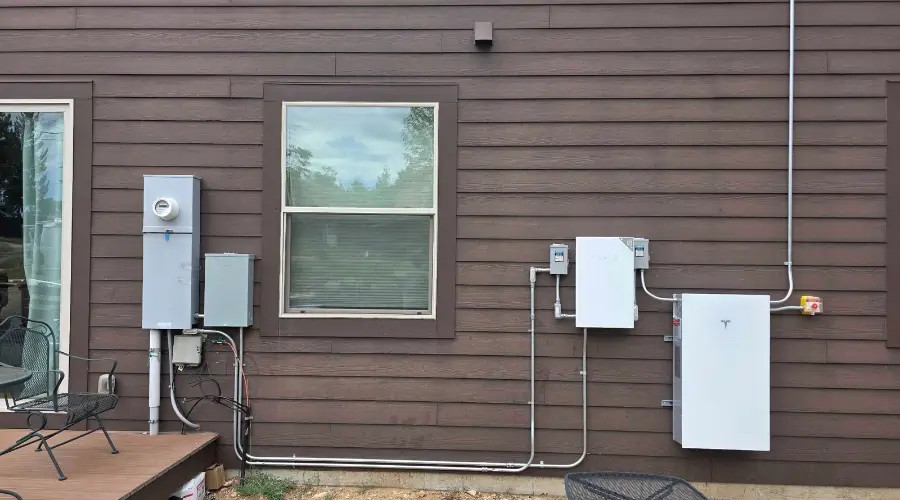
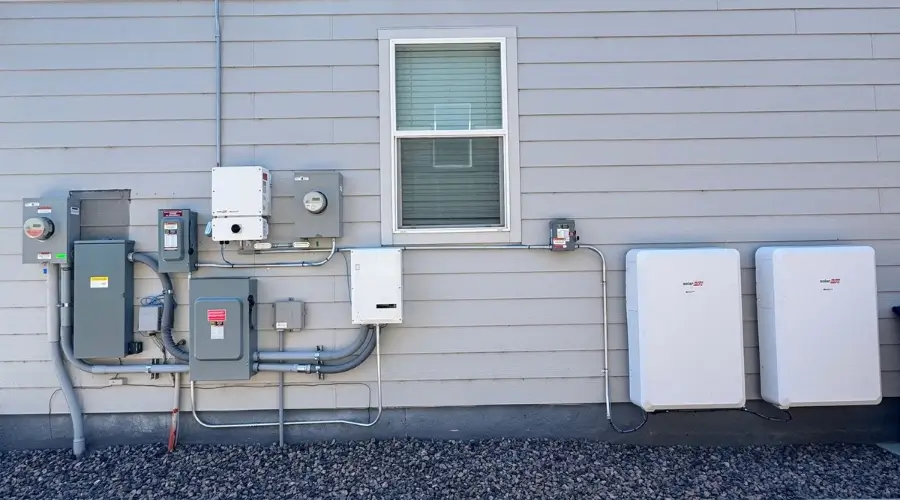
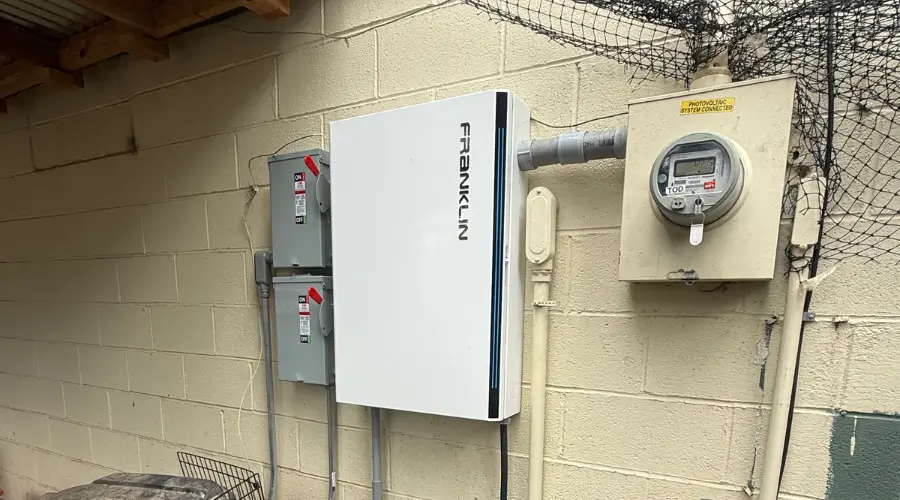
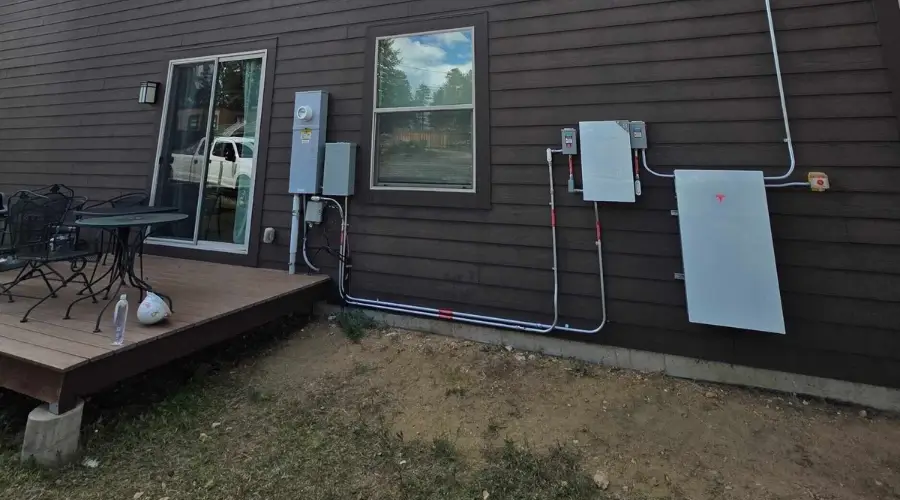
Site & Electrical Assessment Before Design
Before we recommend a battery system, our team assesses your facility so the design fits how you actually use power. Our assessment includes:
- Review of utility bills and interval usage data
- Peak demand timing and critical load identification
- Evaluation of existing solar, inverters and monitoring
- Electrical service, panel and switchgear assessment
- Battery placement, clearance and fire code review
- Utility interconnection requirements
This gives you a clear picture of what storage can do for your site before you commit.
Add Storage to Existing Solar or Install Both Together?
Both work. Adding a battery to an existing array puts the solar you already produce to better use, while planning solar and storage together lets us size and design both systems as one. Learn more about our commercial solar installation services.
We schedule installation around your operations and coordinate with your facility manager, electrician and utility, so your business keeps running.
Explore Vanguard Commercial Services
Frequently Asked Questions About Commercial Battery Storage
Commercial battery storage involves decisions about system size, utility rates, backup power, incentives and how storage works with solar. Below, Vanguard Solar Services answers common questions Colorado business owners and facility managers ask about BESS.
A battery energy storage system (BESS) is a battery bank paired with inverters and controls that stores electricity and releases it when needed. Commercial systems are typically used to reduce demand charges, store solar production and provide backup power for critical loads.
In many cases, yes. Compatibility depends on your existing inverters, electrical service, available space and utility interconnection. We evaluate each of these before recommending a battery size and configuration.
That depends on how the system is designed. Most commercial batteries are sized to support selected critical loads rather than an entire building. We help you identify which loads matter most and design the system around them.
Not always. A battery can power critical loads for a period of time that depends on its capacity, and some facilities that need longer runtimes pair storage with a generator. We help you weigh the options for your site.
We start with your facility’s interval usage data and utility rate structure, then model peak demand, solar production and backup goals to recommend a battery size and configuration that fits your operations and budget.
It depends on battery capacity, your goals, existing equipment, electrical upgrades and site requirements. Every project gets a site-specific written proposal, so you know your cost before any work starts.
Commercial energy storage may qualify for federal tax incentives, and some utility programs support storage. Eligibility depends on your project and changes over time, so we recommend reviewing incentives with your tax advisor. We provide the system details they need.