
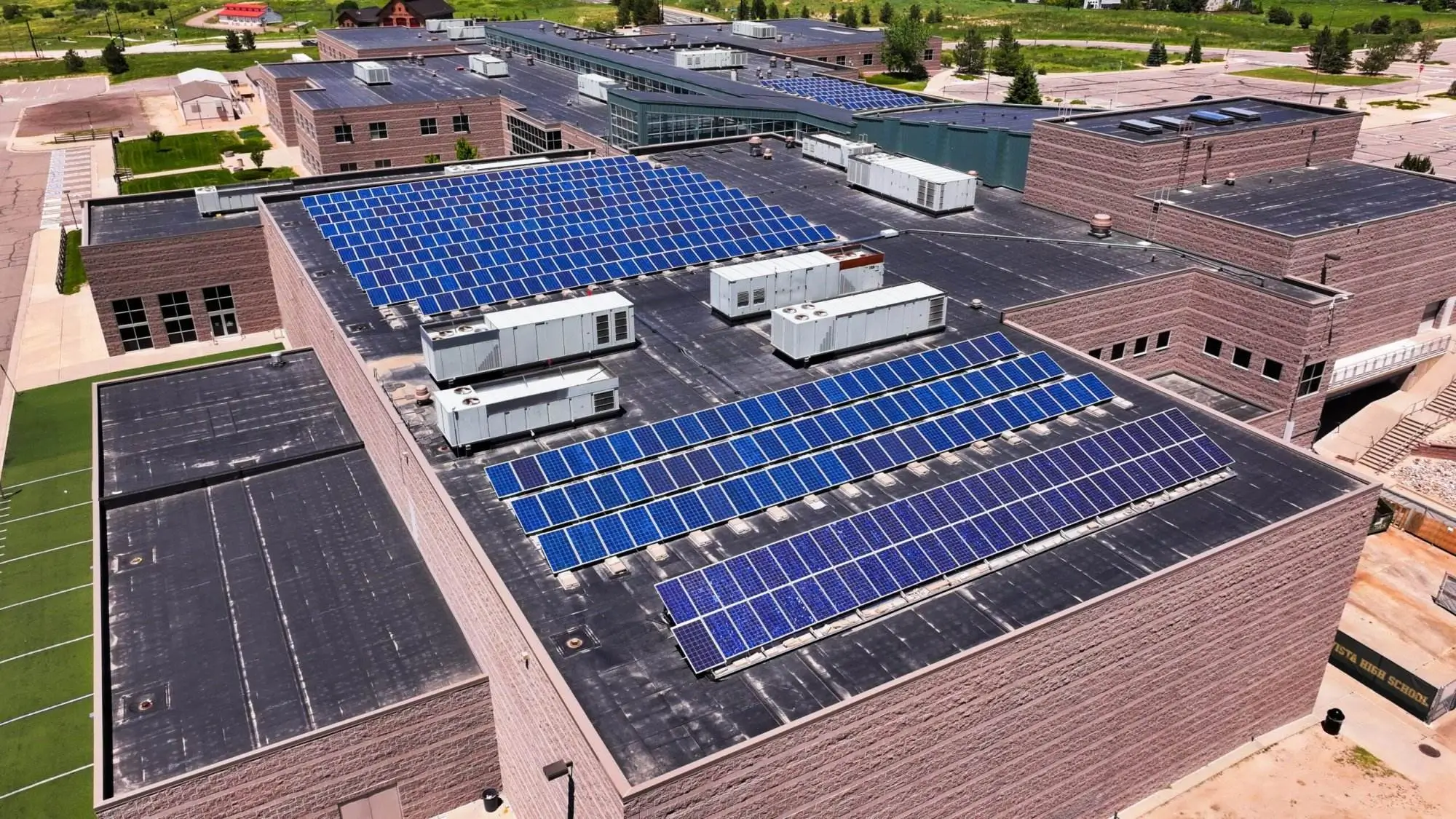
Colorado updated its building codes after the Marshall Fire, and those changes affect how solar systems must be mounted and secured. Here’s what homeowners need to know, especially if your system is a few years old.
Most people think of a solar installation as a one-time event: the panels go up, and that’s that. But the building codes that govern how solar systems must be engineered and secured aren’t frozen in time. In Colorado, they’ve changed in recent years, and those changes matter, particularly if your system was installed a while ago or is about to be reinstalled after roof work.
If you’re planning a roof replacement, a detach and reset, or a new installation, understanding how current wind load and building code requirements affect your system can save you from failed inspections, and, more importantly, protect your home when the next big storm hits.
Why Building Codes Changed in Colorado
Colorado has always been a demanding environment for anything mounted on a roof. High winds, intense hail, and dramatic weather swings put real stress on solar systems. But recent events sharpened the focus on how securely rooftop equipment needs to be attached.
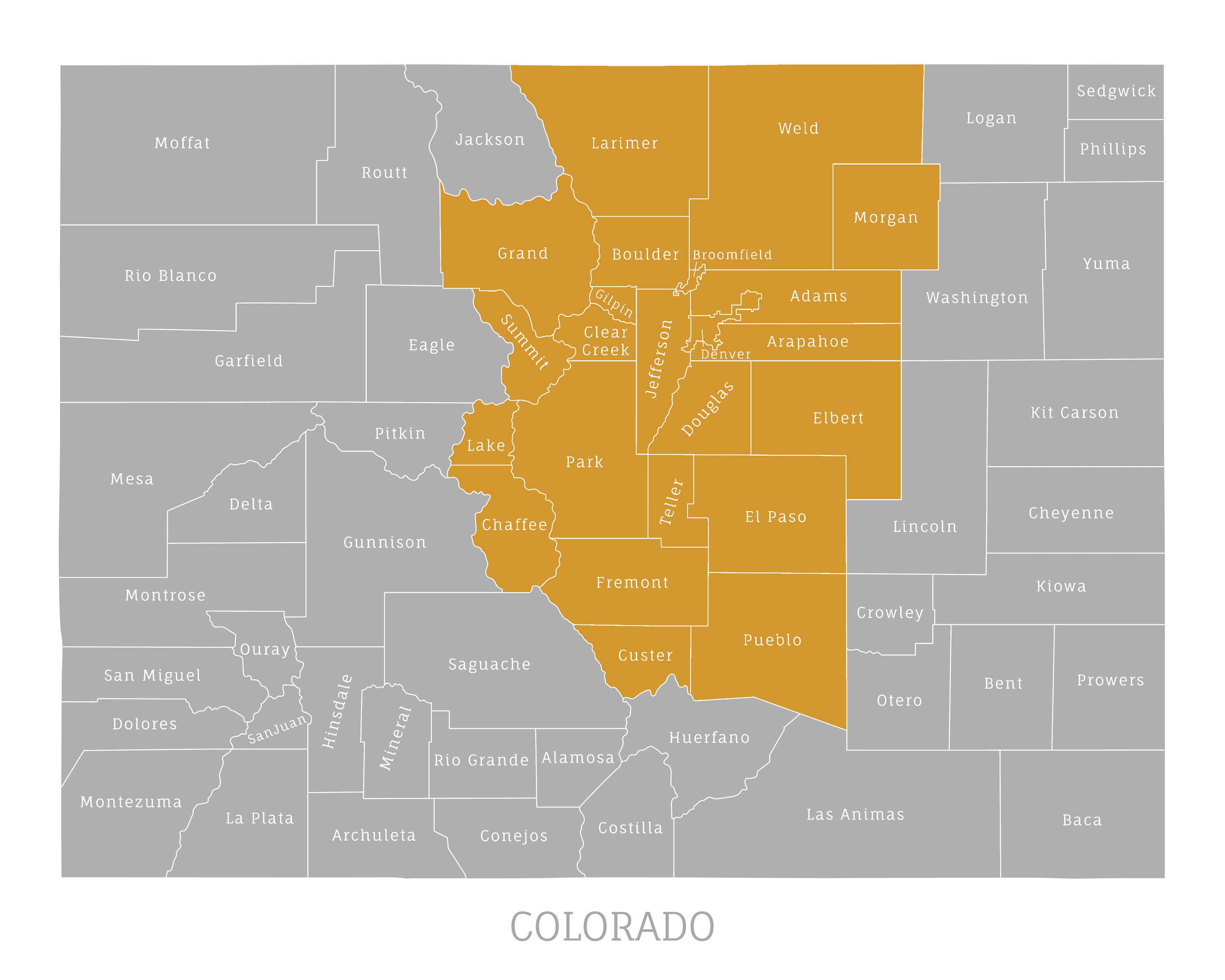
Following the Marshall Fire, which was driven in part by extreme wind conditions, Colorado jurisdictions updated commercial building code requirements, including wind load standards that affect construction and rooftop systems like solar. The goal is straightforward: make sure what’s mounted on a roof stays there under severe wind, rather than becoming a hazard.
For solar specifically, this means the engineering behind how your panels are anchored, how many attachment points are used, and how the racking is spec’d, has to meet stricter, current standards.
What “Wind Load” Actually Means for Your Solar
Wind load is the force that wind exerts on a structure. For a rooftop solar array, high winds create both downward pressure and, crucially, uplift, the force that tries to peel the panels off the roof like a giant kite.
A properly engineered system resists that uplift through the right combination of:
- Attachment points — how many places the racking is anchored to the roof structure
- Mounting hardware — rated to handle the calculated loads for your location
- Racking design — engineered for the specific wind zone your home sits in
- Proper anchoring into structural members, not just the roof deck
When wind load requirements increase, a system that was compliant years ago may no longer meet current code. That’s not a knock on the original installer, it’s simply that the standard moved.
Why This Matters If Your System Is a Few Years Old
Here’s the practical takeaway for existing solar owners: if your system was installed several years ago and you’re now having it reinstalled, the reinstall may need to meet today’s stricter requirements, not the ones that applied originally.
This most often comes up during a detach and reset, when panels are removed for a roof replacement or repair and then reinstalled. A reinstall is generally expected to bring the system up to current code. In practice that can mean:
- Additional or relocated attachment points
- Updated mounting hardware rated for current wind loads
- Racking adjustments to meet today’s engineering standards
- Permitting and inspection under current requirements
A solar company that only knows how to bolt panels back exactly where they were may hand you a system that fails inspection, or worse, one that’s under-secured for Colorado’s winds. A specialist who works with current code reinstalls it right the first time.
Permitting and Inspection
Solar work in Colorado typically requires permits and inspection, and the exact requirements vary by jurisdiction. Front Range municipalities and counties each have their own building departments and can interpret and enforce code differently.
This is one of the biggest advantages of hiring a local, Colorado-based solar company. A contractor who works across the Front Range knows:
- Which permits your specific jurisdiction requires
- How local building departments interpret current wind load standards
- How to pass inspection the first time without costly re-work
- How to keep your project fully compliant and documented
An out-of-state or non-specialist crew is far more likely to stumble on these local details.
Why Code Compliance Protects You
It’s tempting to view code requirements as red tape, but for rooftop solar in Colorado they’re genuinely protecting your investment and your home. A system engineered and installed to current wind load standards:
- Stays put in severe wind, reducing the risk of panels lifting or detaching
- Protects your roof from damage caused by an under-secured array
- Keeps warranties intact, since improper mounting can void coverage
- Passes inspection cleanly, avoiding delays and re-work
- Holds its value, which matters if you ever sell the home
Cutting corners on mounting to save a little on labor is a poor trade in a state where a single windstorm can test every attachment point on your roof.
The Bottom Line
Colorado’s building codes have evolved, and wind load requirements are stricter than they were a few years ago. Whether you’re installing new solar or having an existing system reinstalled after roof work, meeting current standards isn’t just about passing inspection, it’s about making sure your array stays secure through Colorado’s toughest weather.
If you’re planning a new installation, a roof replacement, or a detach and reset and want it done to current code, reach out for a free assessment. As a Colorado-owned company with decades of combined solar and roofing expertise, we engineer and install every system to today’s standards, so it’s secure, compliant, and built for Colorado.
Related reading: our complete guide to solar panel removal and reinstallation in Colorado, and Do You Need to Remove Solar Panels for a Roof Replacement?





Leave A Comment