
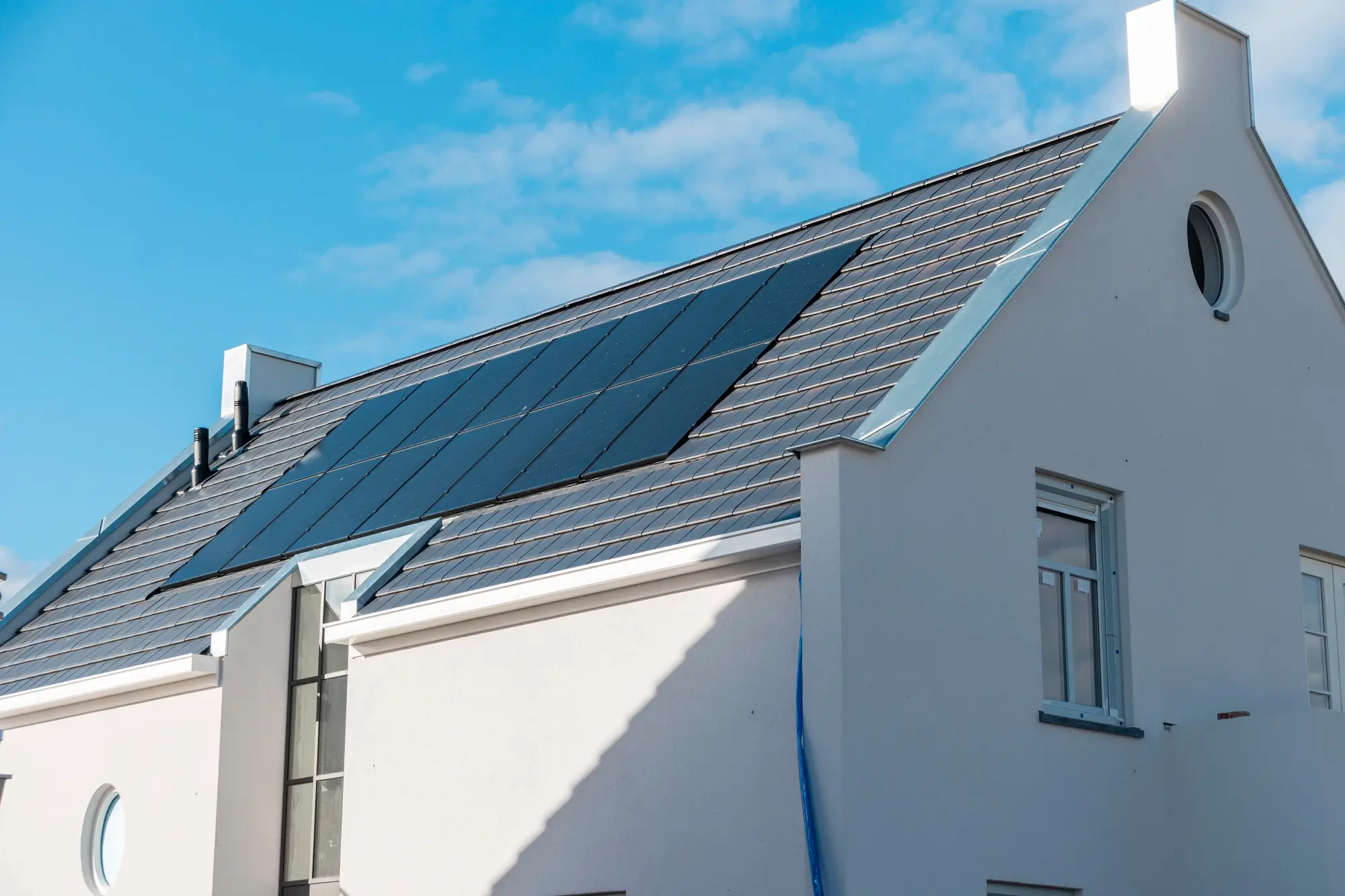
The short answer is usually yes when a covered loss forces the roof replacement, and no when the roof is simply worn out. Here is how to tell which side you are on.
If your roof needs replacing and there are solar panels on it, the panels have to come off first and go back on afterward. That work is called a solar detach and reset, and it is a real line item on the project. The first thing most homeowners want to know is who pays for it.
Homeowners insurance usually covers solar panel removal and reinstallation when the roof is being replaced because of a covered loss, such as hail or wind damage. It generally does not cover removal when the roof is being replaced because of age or normal wear.
The rest of this article explains why, what you may still owe on a covered claim, and what to ask your insurer. For the work itself, see our complete guide to solar detach and reset in Colorado.
Why insurance usually pays on a covered roof claim
Most insurers treat roof-mounted solar panels as part of the home’s structure, covered under the dwelling portion of the policy. When a covered event damages the roof, the insurer owes the cost of repairing or replacing it.
A roof can’t be torn off and replaced underneath a mounted array. Taking the panels down and putting them back is a necessary cost of the covered repair, so solar panel removal and reinstallation normally appears on the insurance estimate as its own line, next to tear-off, underlayment, and flashing.
The panels do not need to be damaged for this to apply. If hail ruined the shingles around an undamaged array, the array still has to come off.

When insurance does not cover solar panel removal
- The roof is worn out. Insurance covers sudden, accidental damage, not maintenance. If you are re-roofing because of age, the detach and reset is your cost. Our guide to planning a roof replacement with solar panels and our breakdown of what it costs to remove and reinstall solar panels in Colorado will help you budget.
- The policy excludes the damage. Some policies limit wind and hail coverage, exclude cosmetic damage, or carve out solar equipment.
- The insurer approves a repair, not a replacement. If the repair area is not under the array, nothing needs to come off. The Colorado Roofing Association reports that insurers are increasingly weighing repairs before approving a full replacement.
- The loss is smaller than your deductible. There is no claim payment to cover anything.
- You are making elective changes. Moving the array to a different roof plane or adding panels during the reset is an upgrade, not part of the loss.
What you may still pay on a covered claim
Covered does not mean free. Three things decide your out-of-pocket cost.
Your deductible. Many Colorado policies now carry a separate wind and hail deductible set as a percentage of your dwelling coverage, typically 1% to 5%, according to the Colorado Roofing Association. On a home insured for $500,000, a 2% deductible is $10,000. That deductible typically applies once to the whole claim, roof and solar together.
How your roof is valued. A replacement cost policy pays to replace the roof with new materials. An actual cash value policy subtracts depreciation, which can leave a gap on an older roof. Ask your agent how your policy treats the solar removal labor.
The gap between the first estimate and the real job. An adjuster’s first estimate may price the detach and reset with a generic per-panel number. Steep pitch, multiple roof planes, and older racking can all push the real cost higher. A detailed scope from your solar contractor is what supports a revised amount. We walk through that step in how a detach and reset insurance claim works in Colorado .
One Colorado rule to know: under Senate Bill 38, a roofing contractor cannot pay, waive, or rebate your deductible. Treat any “free roof” offer as a warning sign.
What if the panels themselves are damaged?
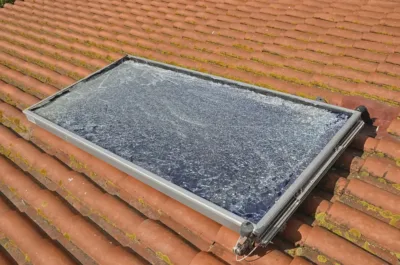
That is a separate question from removal. Hail-damaged panels are usually claimed as damage to the dwelling, and a damaged panel is replaced, not reset.
The detach is the best time to find out. With the array down, each panel can be inspected and tested for cracks that are invisible from the ground. Start with what to do after hail hits your solar panels, or see our solar hail damage repair service.
What if your system is leased or under a PPA?
The solar company owns the equipment, so your agreement controls who may remove it and at what price. Some providers require their own crew or an approved contractor.
Your homeowners claim may still pay for the removal as part of the roof work. Call the provider before you schedule anything, and send your insurer a copy of the agreement.
Questions to ask your insurance company
- Are my roof-mounted panels covered under dwelling coverage, and are there any solar or hail exclusions?
- Is panel removal and reinstallation included in the roof replacement scope?
- What is my wind and hail deductible in dollars?
- Is my roof covered at replacement cost or actual cash value?
- Do I have ordinance or law coverage if the reinstall has to meet newer Colorado wind-load requirements?
- Can I choose my own licensed solar contractor, and what paperwork do you need from them?
Frequently asked questions
Does insurance cover solar panel removal if my roof is just old?
No. A roof replaced for age or wear is maintenance, and the detach and reset is part of that cost.
Do I pay a second deductible for the solar work?
Typically not. Removal and reinstallation is part of the roof claim, so one deductible normally applies. Confirm this with your insurer.
Can my roofer remove the panels under the claim?
The insurer pays for the work, not for a particular crew. A solar array is a live electrical system, and most manufacturers require qualified handling to keep warranties intact, so use a licensed solar contractor.
How much will insurance pay for a detach and reset?
It depends on system size, roof complexity, and mounting type. A project-specific estimate is the only reliable figure.
Get an insurance-ready estimate
Vanguard’s in-house estimating team prepares detailed detach and reset scopes that adjusters can work from, and our NABCEP-certified crews do the removal and reinstallation themselves. Read the complete guide to solar detach and reset in Colorado, or request a free estimate.
This article is general information, not insurance or legal advice. Coverage depends on your policy. Confirm the details with your insurer or agent.
Related Articles: Do Solar Panels Need to Be Removed When Replacing a Roof? A Homeowner’s Planning Guide











Leave A Comment