
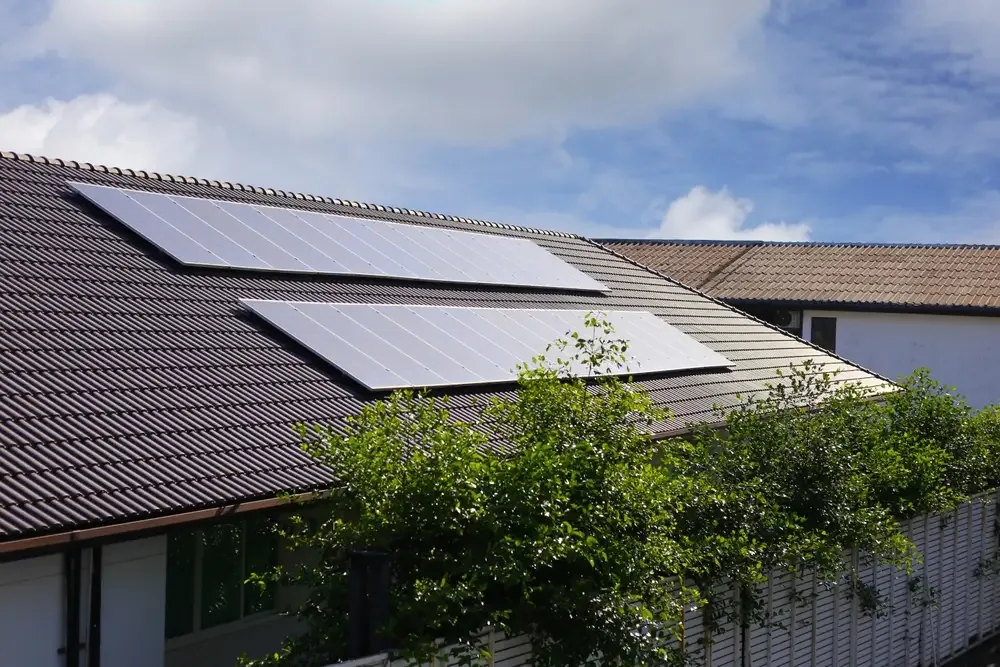
If your solar panels are producing less than they used to, the cause is usually one of seven things: the season, snow or dirt on the panels, new shade, a failed inverter or microinverter, a tripped breaker, or damage from hail or roof work. Some you can check from your app in minutes. The rest need a solar system diagnostic.
Key takeaways
- Compare this month with the same month last year, not with last month. Colorado output swings a lot between summer and winter.
- A drop to zero or a sudden cliff almost always means an equipment or electrical problem, not weather.
- A slow loss of about half a percent a year is normal panel aging.
- Never climb on the roof or open electrical equipment yourself. Look from the ground and in the app, then call a technician.
How do I know if my solar panels are really underperforming?
Start with your monitoring app, not your utility bill. Bills mix in your home’s usage, rate changes and net-metering credits, so they are a poor gauge of what the panels make.
Look at three things:
- Daily production on clear days. Pick two or three sunny days this month and compare them with sunny days in the same month last year. Clear-day output should be close.
- The shape of the daily curve. A healthy system draws a smooth hill from morning to evening. A flat top, a notch at the same time every day, or a line at zero points to a specific cause.
- Panel-level data, if you have it. Systems with microinverters or optimizers show each panel. One dark panel, or a whole row, narrows the search fast.
If clear-day output is down more than 10 to 15 percent from last year, or the app shows zero during daylight, it is time for a closer look.
7 reasons solar output drops (and what to check)
| # | Cause | What you will see | What you can check safely |
|---|---|---|---|
| 1 | Season and sun angle | Gradual drop from fall into winter | Compare with the same month last year |
| 2 | Snow, dust, pollen, bird droppings | Lower output on clear days; panels look dirty or covered | Look from the ground; wait for snow to slide or melt |
| 3 | New shade | A notch in the curve at the same time each day | Check for tree growth, new structures, satellite dishes |
| 4 | Inverter or microinverter failure | Output to zero, or one or more panels dark | Read the inverter’s status light or error code; note it |
| 5 | Tripped breaker or disconnect | Zero output, often after a storm or electrical work | Look at the solar breaker in your panel; do not reset repeatedly |
| 6 | Monitoring or Wi-Fi problem | App shows zero but the inverter light looks normal | Check whether your router or password changed |
| 7 | Hail, wiring or roof-work damage | Sudden drop after a storm or a re-roof | Look for cracked glass from the ground; take photos |
1. Is it just winter?
Often, yes. Colorado gets plenty of sun, but from November through January the sun sits low, days are short, and chimneys or trees that cause no problem in June can shade the panels. A system can make half or less of its summer output in December and still be perfectly healthy. That is why the same-month comparison matters.
2. Are snow or dirt blocking the panels?
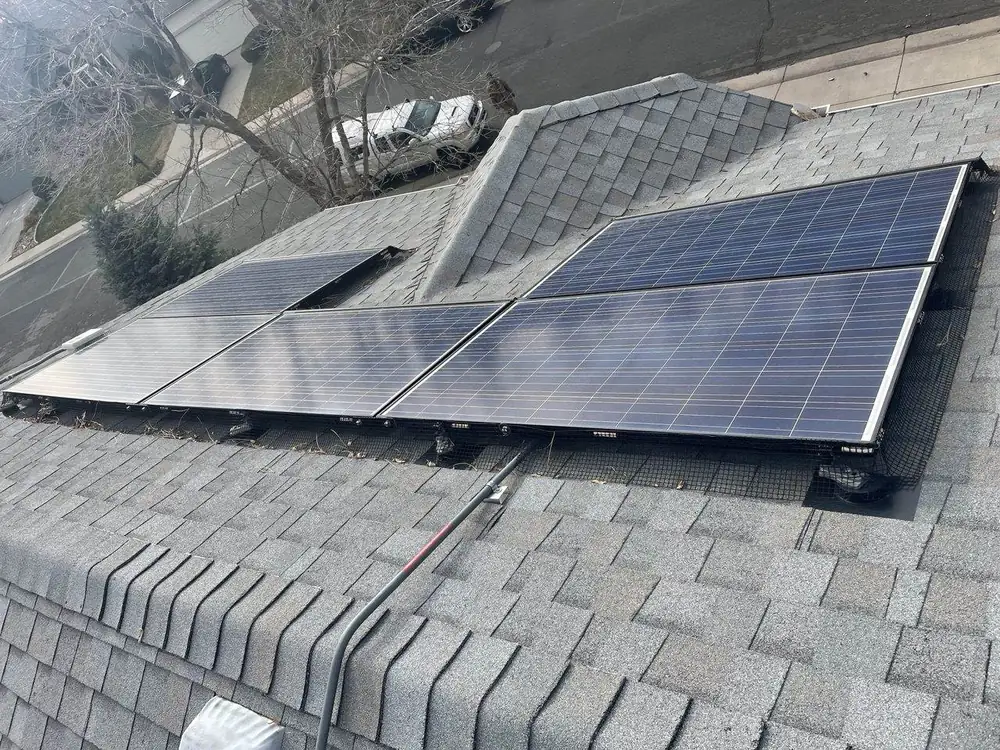
Front Range snow usually slides off tilted panels within a day or two of sun. Panels that stay covered for days, or flat and low-tilt arrays, lose more. Between storms, dry and windy spells leave dust, pollen and bird droppings that can trim output, especially on low-tilt roofs where rain does not rinse them well. If the glass looks hazy from the ground, our solar panel cleaning service uses methods that will not void panel warranties. Please do not climb up with a hose or a brush.
3. Has something new started shading the array?
Trees grow, neighbors build, and a new satellite dish can shade one panel all afternoon. On older string-inverter systems, shade on one panel can pull down the whole string. If the drop shows up at the same hour each day, walk around the house at that hour and look.
4. Has the inverter or a microinverter failed?
This is the most common equipment cause we see. String inverters often show a red or orange status light and an error code. Microinverter systems show individual dark panels in the app. Inverters wear out sooner than panels, so on systems 10 or more years old an inverter fault is a likely suspect. Write down the code and the model number; it speeds up the repair.
5. Did a breaker trip?
Lightning, grid events and electrical work in the house can trip the solar breaker or the AC disconnect. If your system went to zero after a storm or after an electrician visited, check whether the solar breaker is off. If it trips again after one reset, leave it off and call us. Repeated tripping signals a fault that needs a licensed technician.
6. Is it really a monitoring problem?
Many “my solar stopped working” calls turn out to be a router swap or a changed Wi-Fi password. The panels keep producing, but the app stops reporting. If your inverter light looks normal and your bill has not jumped, the monitoring link is the likely culprit.
7. Could hail or a roof replacement have damaged the system?
Colorado hail can crack panel glass or damage wiring and connectors, and the drop may not appear until weeks later as moisture gets in. Roof work is the other big one. If panels were removed and reinstalled during a re-roof, loose connectors or a missed connection can cut output. See our solar hail damage repair page if you had a storm, and our solar removal and reinstallation page if a roofer touched the system.
How much output loss is normal as panels age?
Some loss is expected. NREL research puts the median panel degradation rate at about 0.5 percent per year. A ten-year-old system making roughly 5 percent less than it did new is aging normally. A 20 or 30 percent drop is not aging; something is wrong.
What happens during a professional solar diagnostic?
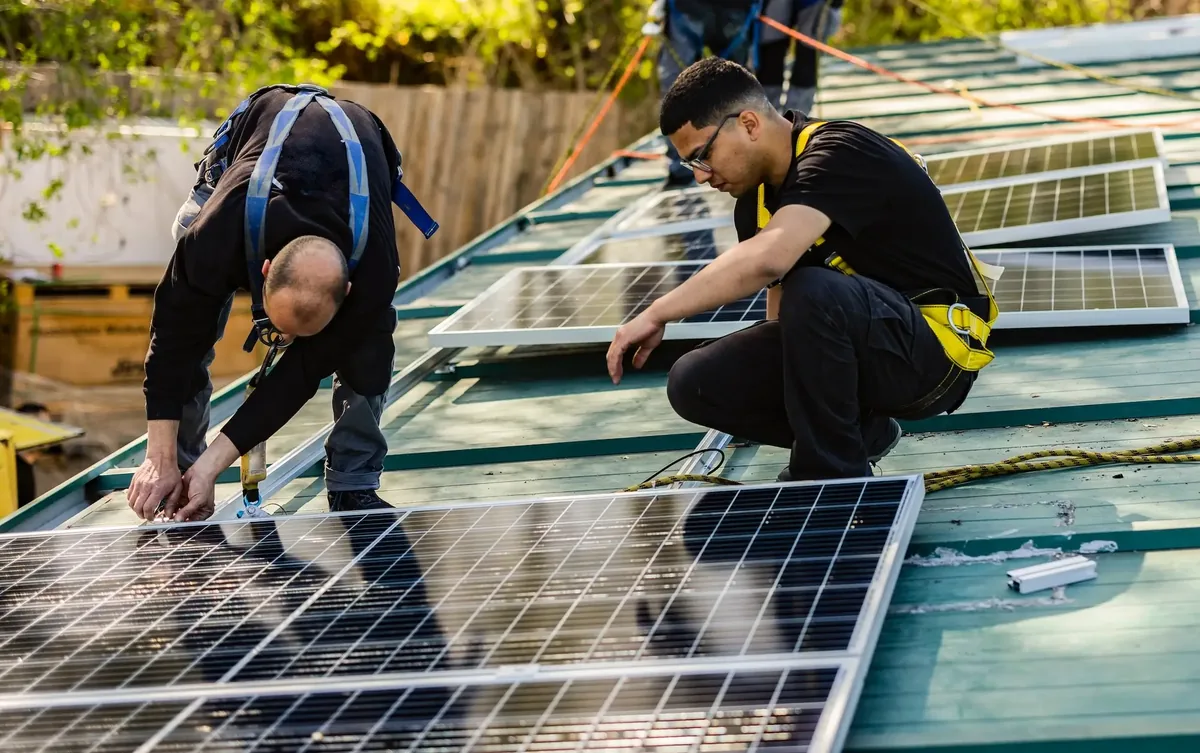
A diagnostic finds the cause instead of guessing. On a typical visit, a technician will:
- Review your monitoring history and error logs
- Inspect the inverter, disconnects, breakers and conduit
- Test string voltage and current against expected values
- Check panels, wiring and connectors for hail, heat or critter damage
- Recommend a repair, warranty claim or replacement, with the findings in writing
Vanguard services systems we did not install, including those from installers that are no longer in business. For ongoing peace of mind, an operations and maintenance plan catches small problems before they cost a season of production.
Frequently asked questions
Why are my solar panels producing less in winter?
Winter output drops because the sun is lower, days are shorter, and nearby objects cast longer shadows. Snow cover adds to the loss for a day or two after each storm. In Colorado, December production can be half of June’s or less on a healthy system. Compare this winter’s clear days with last winter’s to judge whether the drop is normal.
Should I clean my solar panels myself?
We do not recommend it. Roofs are slippery, and pressure washers, hard brushes and some soaps can scratch glass or void panel warranties. Light rain and snowmelt handle much of the dust on tilted panels. If the glass still looks hazy from the ground, or output is down on clear days, book a professional cleaning.
My monitoring app shows zero production. Is my system broken?
Not always. First check whether your Wi-Fi router or password changed, since that stops reporting but not production. Then look at the inverter status light and the solar breaker. If the inverter shows an error or the breaker keeps tripping, the system likely has a fault and needs a technician.
Will you service a system another company installed?
Yes. Vanguard works on systems from other installers, including companies that have closed. Have your monitoring login and any installation paperwork ready so the technician can check warranty status.
Get your solar output back on track
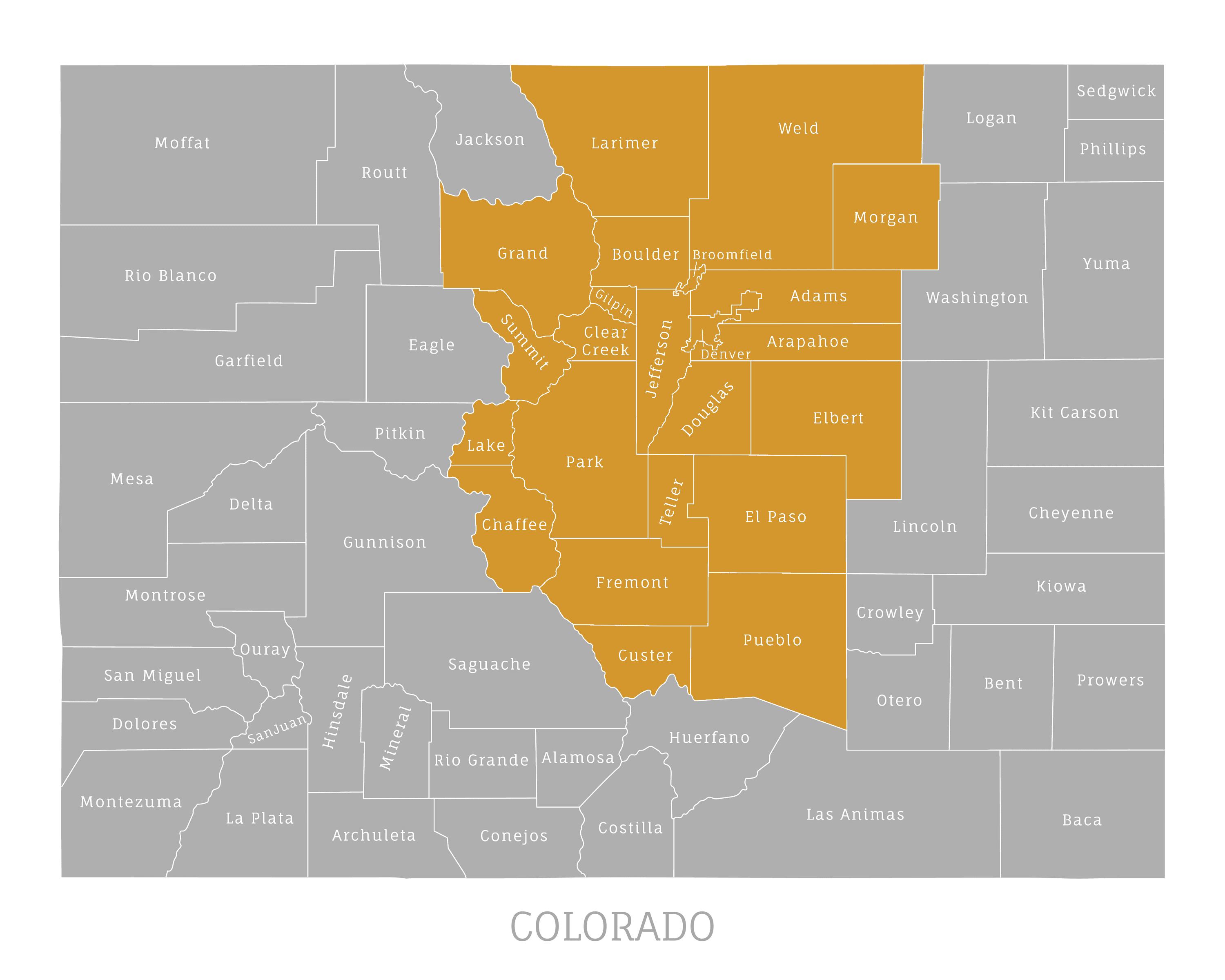
If your clear-day production is down, your app shows zero, or a storm or roof job came before the drop, let a Vanguard technician find the cause. We serve homeowners across the Denver metro and Front Range from our Lakewood office. Request a solar system diagnostic or contact us to schedule a visit.
Related Articles: How Solar Helps Meet Energize Denver Requirements




Leave A Comment