
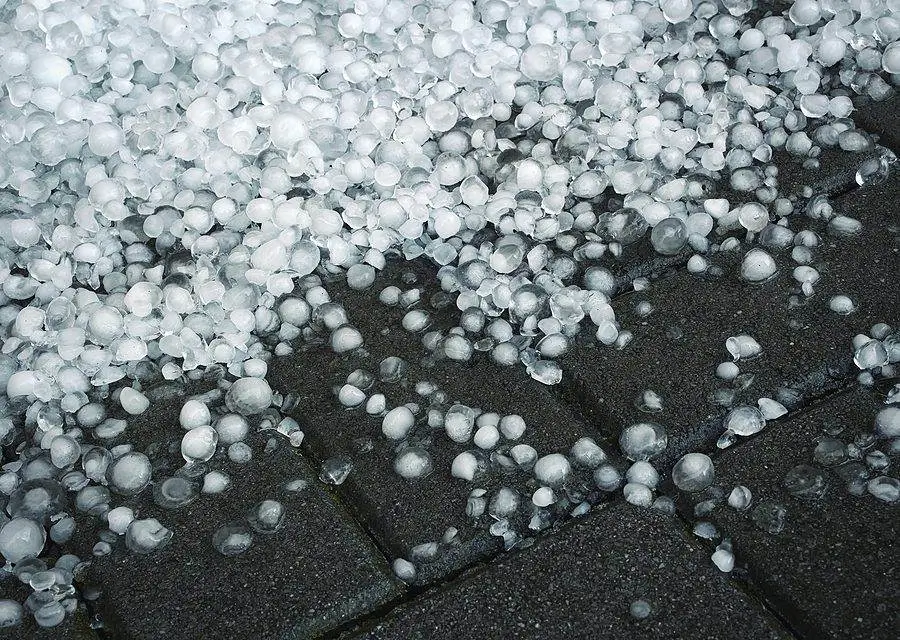
Colorado sees some of the worst hail in the country. Here’s how to tell if your solar panels are damaged, what to do first, and how to handle the insurance and repair process.
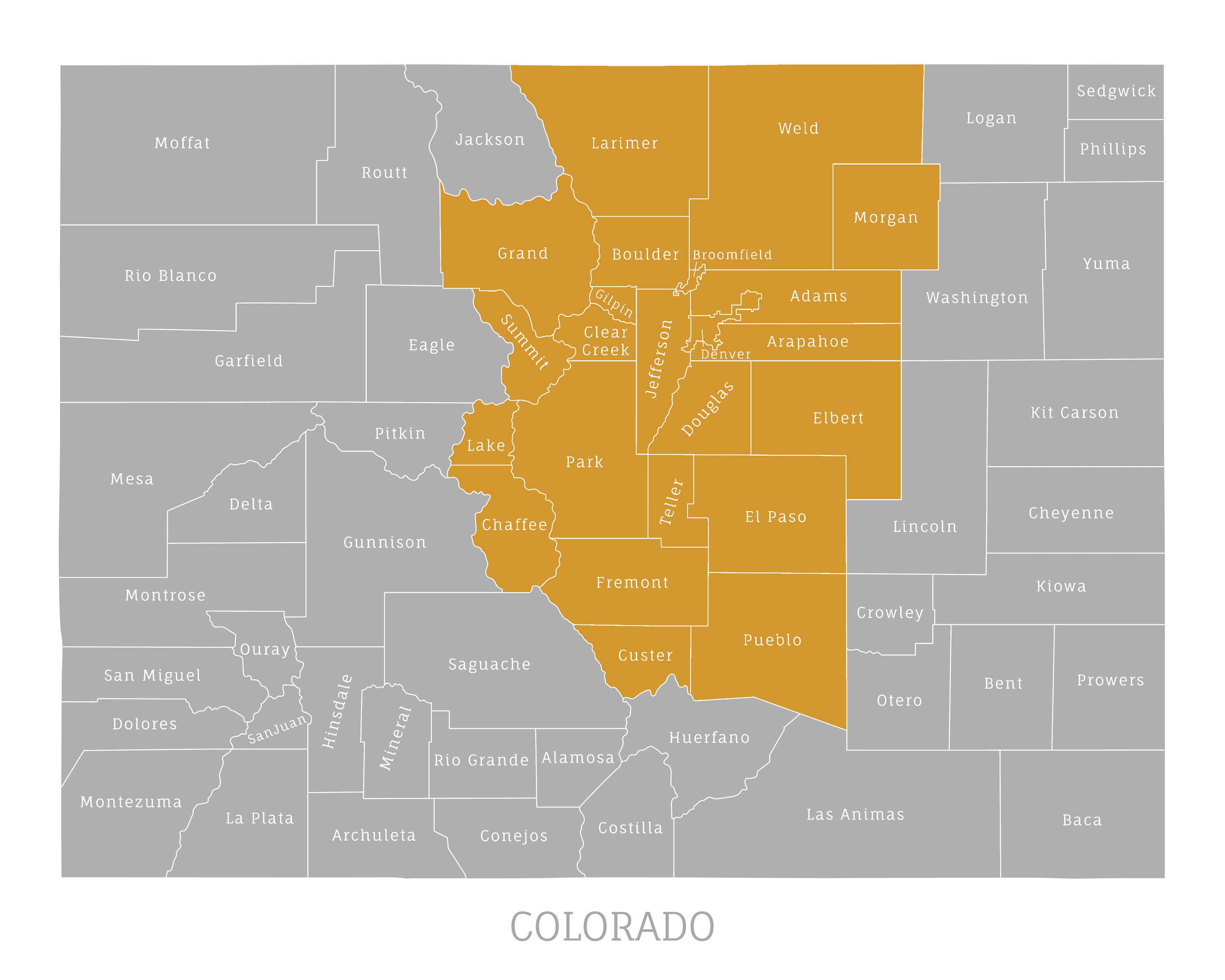
Colorado’s Front Range sits squarely in “Hail Alley,” one of the most hail-prone regions in the United States. Every season brings storms capable of denting cars, shredding roofs, and, yes, damaging solar panels. If you’ve got solar and a big storm just rolled through, you’re probably wondering whether your system took a hit and what you should do about it.
The good news: modern solar panels are built tough and often survive hail that wrecks the roof around them. The important part is knowing how to check, what to do first, and how to get any damage properly documented and repaired. Here’s your step-by-step guide.
Are Solar Panels Actually Damaged by Hail?
Most quality solar panels are tested to withstand hail up to about one inch in diameter striking at high speed, and they hold up remarkably well in typical storms. But Colorado isn’t a typical-storm state. When hail reaches golf-ball or baseball size, even well-built panels can crack, shatter, or suffer damage you can’t see from the ground.
There are two kinds of hail damage to watch for:
- Visible damage — cracked or shattered glass, obvious dents, or spidering across the panel surface.
- Hidden damage (micro-cracks) — tiny fractures in the cells that don’t show up to the naked eye but reduce output and worsen over time. This is the sneaky one, because your system keeps running while quietly underproducing.
Because hidden damage is invisible and progressive, a storm that “looks fine” from the driveway can still have compromised your system. That’s why proper inspection matters.
What to Do Right After a Hailstorm
If a significant hailstorm hits, take these steps in order:
1. Stay off the roof
Don’t climb up to inspect panels yourself. Wet or damaged roofs are dangerous, and a live solar array adds electrical risk. Leave the up-close inspection to professionals.
2. Do a ground-level check
From a safe vantage point, look for obvious signs: shattered or cracked panels, visibly dented roofing, downed branches on the array, or debris. Take photos of anything you can see.
3. Check your system’s production
Log into your solar monitoring app. A sudden, unexplained drop in production after a storm is a red flag that something was damaged, even if nothing looks wrong from the ground.
4. Document everything
Photograph your panels, roof, and any other property damage. Note the date and time of the storm. This documentation is valuable for an insurance claim.
5. Call a solar professional for an inspection
A qualified solar company can safely inspect the panels up close, test for hidden micro-cracks and output loss, and give you a clear picture of what’s actually damaged.
Solar Hail Damage and Your Insurance
Here’s something many homeowners don’t realize: solar panels are typically covered under your homeowner’s insurance policy, much like your roof. If hail damages your panels, the repair or replacement is often a covered claim.
And here’s the connection to your roof: when a storm damages both your roof and your solar, the panels usually have to be removed so the roof can be replaced anyway. That removal and reinstallation, known as detach and reset, is frequently part of the same insurance claim, since the panels can’t stay on during a covered roof replacement.
A few tips for the insurance process:
- Document before you touch anything. Photos and monitoring data strengthen your claim.
- Get a professional solar inspection. An expert assessment carries weight and catches damage an adjuster might miss, especially hidden micro-cracks.
- Work with a company that understands claims. A solar contractor experienced with insurance work can document the damage and scope clearly, which helps your claim go smoothly.
Coverage and deductibles vary by policy, so confirm the specifics with your insurer. But don’t assume damaged panels aren’t covered, they often are.
Why You Need a Solar Specialist, Not Just a Roofer
After a big Colorado hailstorm, roofing crews are everywhere, and many will offer to handle “the whole thing,” solar included. Be careful here.
Panels are electrical equipment. Removing, inspecting, and reinstalling them safely requires solar-specific training, not just roofing experience.
Hidden damage needs real testing. Spotting micro-cracks and verifying output requires the right tools and know-how. A roofer glancing at panels can’t tell you whether cells are compromised.
Warranties are on the line. Most manufacturers require qualified personnel to handle the equipment. The wrong crew can void warranties worth tens of thousands of dollars.
Reinstalls must meet current code. In Colorado, wind load requirements changed following the Marshall Fire. A specialist reinstalls your system to today’s standards, not the ones from when it was originally installed.
A dedicated solar company can inspect for both visible and hidden damage, coordinate with roofers if the roof also needs work, document everything for your insurance claim, and reinstall your system correctly and to current code.
Don’t Wait to Get It Checked
Hail damage doesn’t fix itself, and hidden micro-cracks only get worse. The longer a compromised system runs, the more production you lose, and waiting too long can complicate an insurance claim. If a serious storm has hit your area, the smart move is a professional inspection sooner rather than later.
If your solar system may have taken hail damage, reach out for a free assessment. As a Colorado-owned company with decades of combined solar and roofing expertise, we inspect for both visible and hidden damage, handle the insurance documentation, and get your system safely back to full production.
Related reading: Do You Need to Remove Solar Panels for a Roof Replacement? and our complete guide to solar panel removal and reinstallation in Colorado.





Leave A Comment