

If your roof is due for replacement and you have solar panels, here’s exactly what happens to the panels, why they have to come off, and how to avoid costly mistakes.
You’ve got solar panels, and your roof needs replacing. Maybe it’s aging out, maybe a hailstorm did the deciding for you. Either way, you’re now facing a question most solar owners don’t think about until it lands on their plate: what happens to the panels?
The short answer is that yes, in nearly every case your solar panels must be removed before the roof can be replaced, then reinstalled afterward. But how that happens, and who does it, makes a big difference to your warranty, your roof’s longevity, and your energy production. Here’s what you need to know.
Why the Panels Have to Come Off
Your solar array doesn’t just sit on top of your roof, it’s bolted through it. The mounting hardware penetrates the roof deck at dozens of points, and the panels cover a large portion of the surface. A roof replacement means tearing off the old shingles and underlayment down to the deck and starting fresh.
There’s no way to do that with panels in place. Roofers can’t work around them, and trying to leave old flashing and penetrations in place under a brand-new roof is exactly how leaks begin. To do the job right, the panels and racking have to be fully detached, the roof replaced on a clean surface, and the system reinstalled with fresh flashing and sealant at every penetration.
This process has a name in the industry: detach and reset, sometimes called a solar removal and reinstallation, or D&R for short.
The Right Order of Operations
A roof replacement with solar is really two jobs that have to be carefully coordinated. Done in the right sequence, it’s smooth. Done poorly, you end up with scheduling gaps that leave your roof exposed or your system offline longer than necessary.
Here’s how it should go:
- Detach — A solar specialist powers down the system, disconnects it safely, and removes the panels, racking, and hardware, labeling and storing components so nothing is damaged or lost.
- Re-roof — The roofing crew tears off and replaces the roof on a clean, unobstructed surface.
- Reinstall — The solar specialist remounts the array, re-flashes and seals every penetration, and reconnects the system.
- Test — The system is powered back up and confirmed to be producing at full output.
The tricky part is timing steps 1 through 3 so the roof isn’t left open to the weather between trades. This is a big reason homeowners increasingly prefer a company that understands both the roofing and the solar sides and can schedule the whole thing as one coordinated project.
Can My Roofer Just Handle the Panels?
This is the mistake that costs Colorado homeowners the most, so it’s worth being blunt: letting a general roofing crew remove and reinstall your solar is a gamble you don’t want to take. Here’s why.
It can void your warranties. Most solar panel and inverter manufacturers require qualified personnel to handle the equipment. If an untrained crew moves your panels, you can void warranties on hardware worth tens of thousands of dollars.
It’s a live electrical system. Your array carries DC current and must be disconnected and reconnected correctly and to current code. This isn’t roofing work, it’s electrical work, and mistakes are both a safety hazard and a failed-inspection risk.
Roof penetrations need expert sealing. Every mount point is a hole through your new roof. Re-flashing and sealing those correctly sits right at the intersection of roofing and solar knowledge, and it’s the single most common place shortcuts cause water damage down the line.
Your production can quietly suffer. Panels reconnected incorrectly, or remounted at the wrong angle or with pinched wiring, can underproduce for years without an obvious sign, other than higher utility bills.
A dedicated solar service company protects your warranties, handles the electrical side properly, and seals the roof to a standard that keeps water out for the life of the new roof.
What Colorado Homeowners Should Know
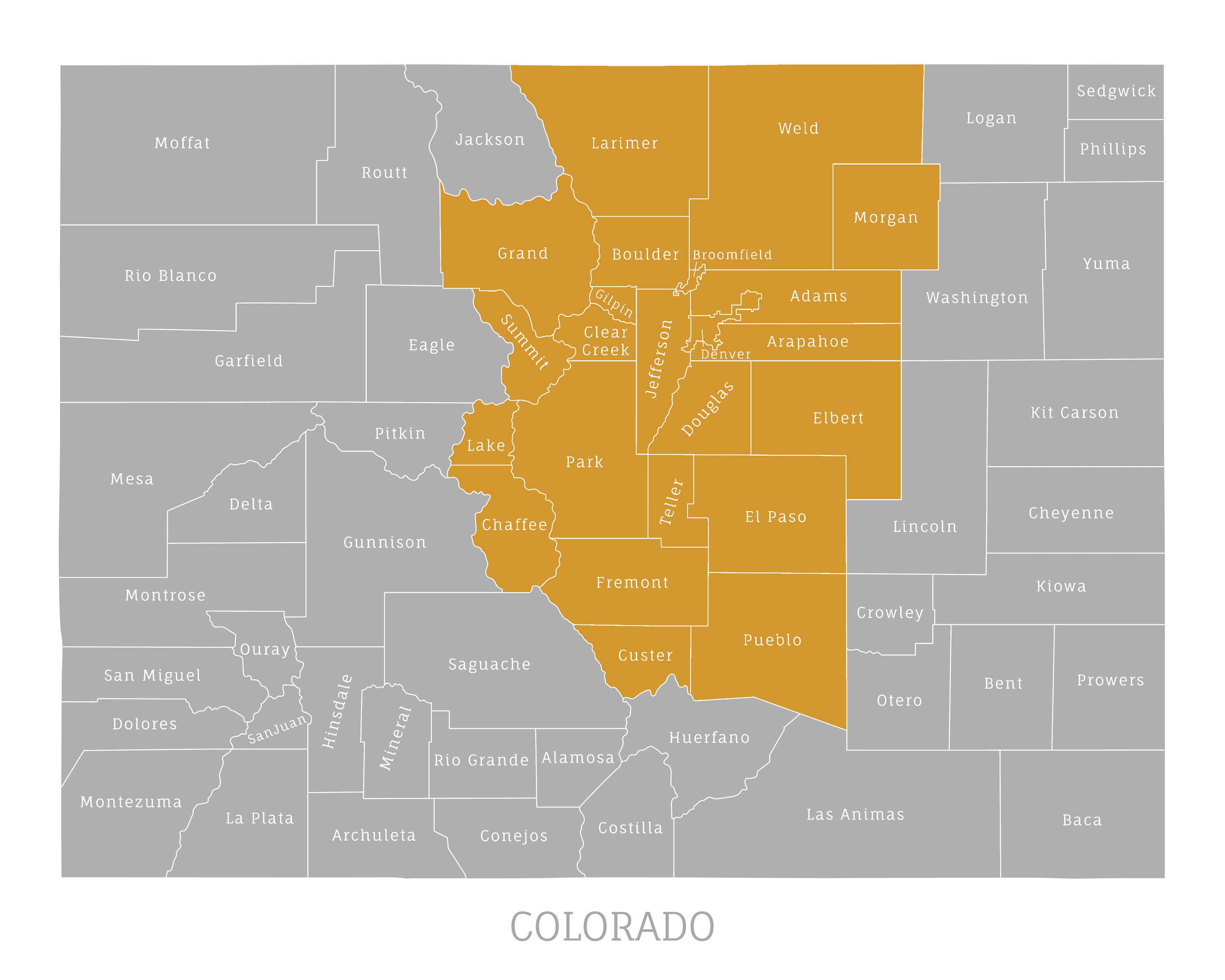
If you’re in Colorado, a couple of local factors make hiring a specialist even more important.
Building codes have changed. Following the Marshall Fire, Colorado updated wind load requirements that affect how solar systems must be engineered and secured. If your system was installed years ago, a code-compliant reinstall may require different or additional mounting than you originally had. A local specialist reinstalls to today’s standards, not the ones that applied when your panels first went up.
Hail makes reinstall inspections valuable. Since a roof replacement in Colorado is often triggered by hail in the first place, the detach is a smart moment to inspect the panels themselves for micro-cracks or marginal components before they go back up and the next storm rolls through.
Will Insurance Cover the Detach and Reset?
If your roof replacement is the result of covered storm or hail damage, the cost of removing and reinstalling your solar panels is often included in the insurance claim, since the panels have to come off for the covered repair to happen. Coverage varies by policy and situation, so confirm the details with your insurer, and work with a solar company that can document the D&R scope clearly for your claim.
The Bottom Line
If you have solar and your roof needs replacing, plan on the panels coming off and going back on. That’s normal and expected. What matters is that the detach and reset is handled by a qualified solar specialist who protects your warranties, reinstalls to current Colorado code, and re-seals your roof correctly, so your brand-new roof stays leak-free and your system keeps producing for years.
If you’ve got a roof replacement on the horizon, reach out for a free assessment. As a Colorado-owned company with decades of combined solar and roofing expertise, we coordinate the whole process so your roof and your solar are both done right.
Want the full picture? Read our complete guide to solar panel removal and reinstallation in Colorado.







Leave A Comment