
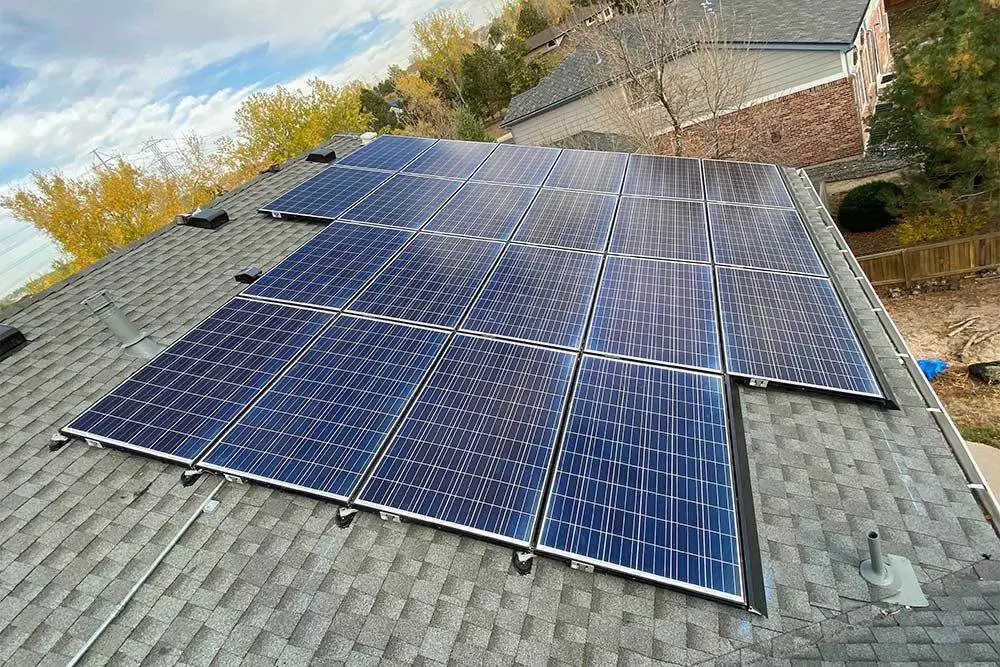
Everything Colorado homeowners need to know about removing and reinstalling solar panels — for roof replacements, hail repairs, insurance claims, and more.
If you own a home with solar panels in Colorado, there’s a good chance you’ll eventually need those panels taken off and put back on. A roof replacement, a hailstorm, a renovation, or an insurance claim can all lead to the same place: your array has to come down temporarily and go back up correctly. In the solar industry, that job is called a solar detach and reset.
This guide walks through the entire process from start to finish — what detach and reset actually means, why homeowners need it, how the work is done, what it costs, who pays when insurance is involved, and what makes Colorado a little different from anywhere else. Whether you’re staring down a roof replacement or just planning ahead, here’s what you need to know.
If you’d rather talk it through with a person, you can request a free detach-and-reset estimate at any point.
What Is a Solar Detach and Reset?
A solar detach and reset is the process of safely removing a solar panel system from a roof and then reinstalling it — usually so that work underneath the panels, most often a roof replacement, can be completed. “Detach” is the removal half. “Reset” is the reinstallation half. Together the industry shortens it to D&R.
It’s a bigger job than it sounds, because a solar array isn’t just resting on your roof. The panels are bolted through the roof deck at dozens of points, wired into a live electrical system, and connected to your inverter and your utility meter. Taking that apart and putting it back together safely takes a qualified solar removal and reinstallation crew — not a general labor team.
At its core, a proper detach and reset means the panels, racking, and hardware come off; the underlying work gets done; and the system goes back up, gets resealed at every roof penetration, gets reconnected to code, and gets tested to confirm it produces exactly as it did before.
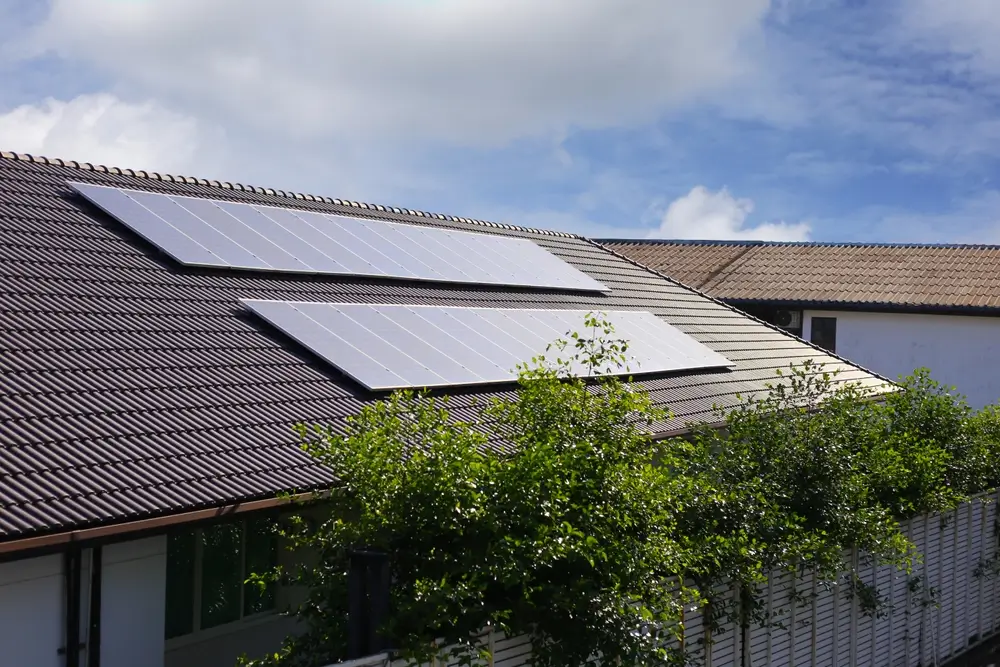
Detach and Reset vs. Remove and Reinstall vs. Remove and Replace
These terms get used interchangeably, and that causes confusion, so here’s the plain-language breakdown:
- Detach and reset (D&R) and remove and reinstall (R&R) mean the same thing: your existing panels come off and the same panels go back on. Nothing is being bought new. Different companies simply prefer different labels — you’ll hear “solar D&R,” “solar R&R,” “detach and reset,” and “removal and reinstallation” all describing this one service.
- Remove and replace is different in an important way. “Replace” implies the old panels come off and new equipment goes on — typically because the original panels are damaged, obsolete, or underperforming. So “remove and replace” is really a removal plus a partial or full system replacement, not a reset of your existing array.
For most Colorado homeowners facing a roof job, what you actually want is a detach and reset — the same panels, reinstalled properly. You only move toward remove-and-replace if an inspection shows your panels are no longer worth putting back up.
Why Homeowners Need Solar Panels Removed
There are a handful of common reasons a homeowner ends up needing a detach and reset:
- Roof replacement — by far the most common reason. Panels have to come off to re-roof the surface underneath.
- Roof repair — significant repairs to the area under an array require temporary removal.
- Hail and storm damage — Colorado’s specialty. A hailstorm can total a roof and damage panels at the same time.
- Home renovations — additions, dormers, or structural work under the array.
- Relocating the array — moving panels to a sunnier roof plane for better production.
- Correcting a bad original install — re-mounting a system that was installed poorly the first time.
The single biggest driver, though, is roof replacement — so it’s worth its own section.
Solar Removal for Roof Replacement
In nearly every case, solar panels must be removed before a roof can be replaced, then reinstalled afterward. There’s no working around them. A roof replacement means tearing the old roof down to the deck and starting fresh, and that can’t happen with an array bolted over the top of it. Trying to re-roof around panels — or leaving old flashing and penetrations in place under a new roof — is exactly how leaks start.
Done right, a roof replacement with solar is really two coordinated jobs in a specific order: detach the system, re-roof the clean surface, reinstall the array with fresh flashing and sealant at every penetration, then test to confirm full production. The tricky part is timing those steps so your roof is never left exposed and your system is offline for the shortest time possible.
We cover this scenario in depth in Do You Need to Remove Solar Panels for a Roof Replacement?

Hail and Storm Damage
Colorado sits in one of the most hail-prone regions in the country, and hail is the reason a huge share of local roof replacements happen in the first place. When a storm damages your roof, two things are often true at once: the roof needs replacing, and the panels may have taken a hit too.
That makes the detach a smart moment to inspect the panels themselves. Hail can cause micro-cracks in solar cells that don’t show up visually but quietly reduce output for years. Since the panels are already coming down for the roof work, it’s the ideal time to check them for damage before they go back up and the next storm rolls through. If damage is found, that finding can also become part of your insurance claim.
For more on this, see our Solar Hail Damage Repair service and our article Solar Hail Damage in Colorado: What to Do After a Storm.
Insurance Claims and Solar D&R
Here’s news that surprises a lot of homeowners: if your roof replacement results from covered storm or hail damage, the cost of removing and reinstalling your solar panels is often included in the insurance claim. The logic is simple — the panels have to come off for the covered roof repair to happen, so the D&R is part of the covered scope.
Coverage varies by policy and situation, so you’ll always want to confirm the specifics with your insurer. But in practice, when the paperwork is documented clearly, many Colorado homeowners pay little to no out-of-pocket cost for a covered detach and reset. The key is working with a solar company that can prepare a detailed, insurance-ready scope of work and coordinate directly with your carrier — which is exactly how our in-house estimating team approaches these claims.
What Happens During the Detach Process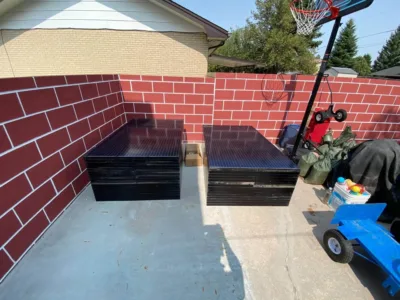
A professional detach follows a careful sequence:
- System documentation and baseline testing. Before anything comes off, technicians document the array layout, run inverter diagnostics, test voltage and output, and take photos. This establishes a performance baseline so any pre-existing issues are on record and post-reinstall performance can be verified.
- Safe shutdown and de-energizing. The system carries live DC current. Licensed technicians power it down and safely disconnect it before anyone touches the hardware.
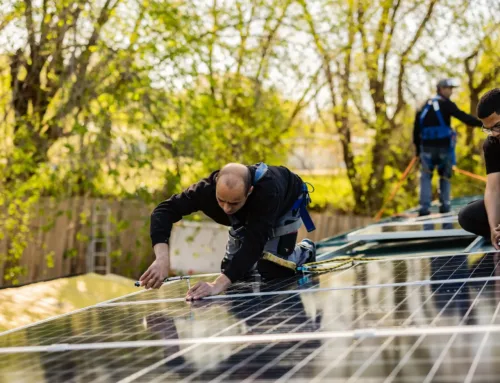
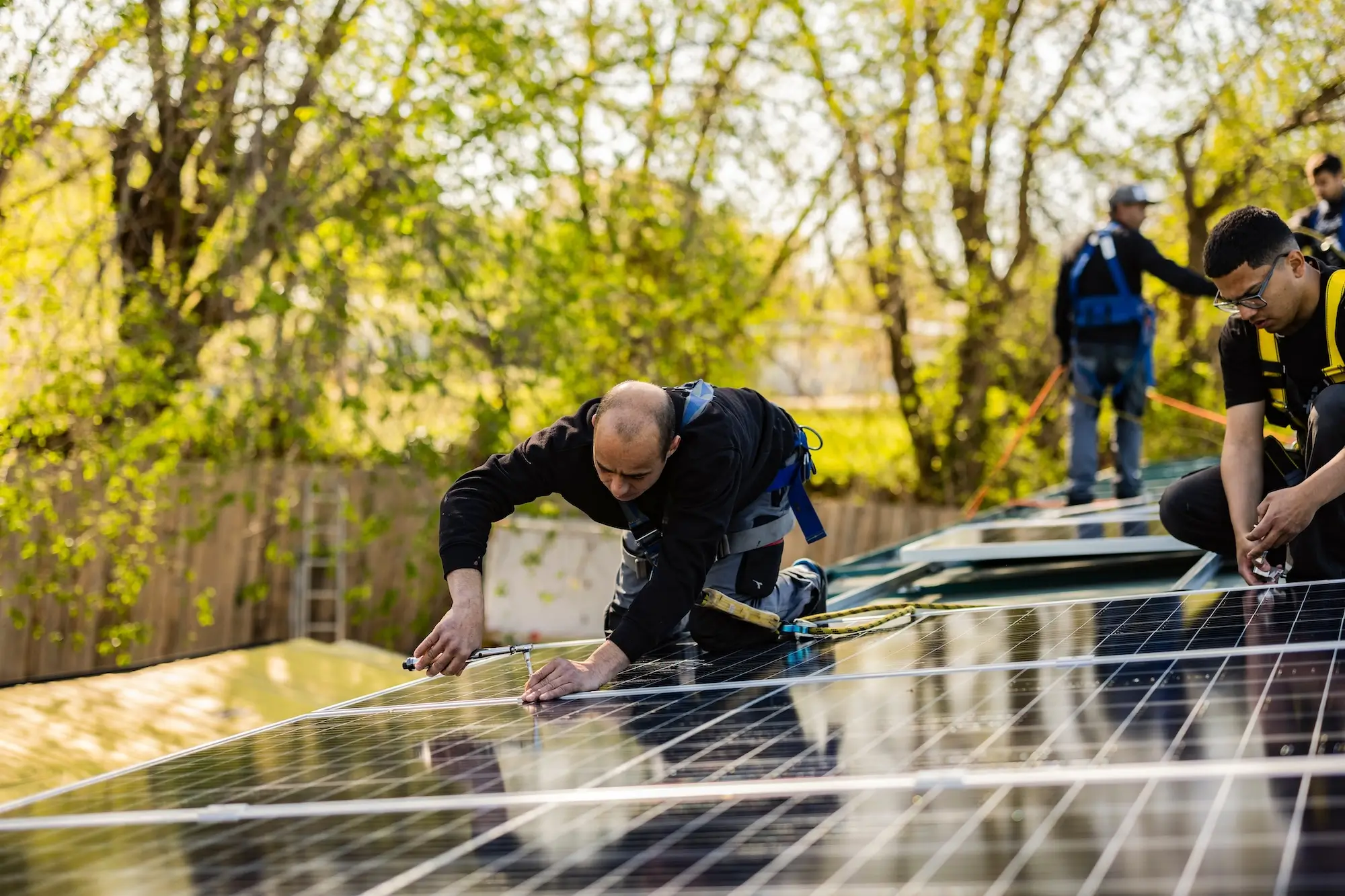
- Panel and racking removal. Panels, racking, and mounting hardware are removed methodically.
- Labeling and storage. Components are labeled and stored so nothing is damaged, mixed up, or lost while the roof work happens.
You can read a fuller step-by-step in our supporting article, How Does Solar Panel Removal and Reinstallation Work?
Where Panels Are Stored During Roofing
Once panels come off, they need somewhere safe to wait out the roofing. A quality crew stages and stores the panels, racking, and hardware carefully — labeled, organized, and protected from damage — either on-site in a secure staging area or transported off-site, depending on the project. The goal is simple: every component that came down goes back up, undamaged and accounted for. Loose handling and careless storage are a common way panels get scratched, cracked, or lost, which is one more reason this work belongs with a dedicated solar team.
 Inspection of Panels, Wiring, Racking, and Attachments
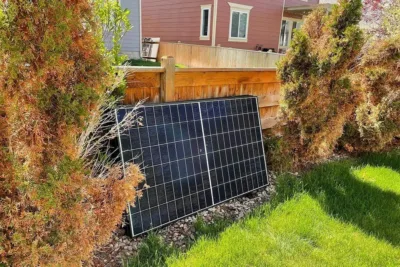
With the array down and the roof exposed, everything is accessible in a way it never is otherwise — so it’s the perfect time for a thorough inspection. A good detach and reset includes checking:
- The panels for cracks, micro-fractures, delamination, or hail damage
- The wiring and connectors for wear, corrosion, or damage
- The racking and rails for corrosion or fatigue
- The roof attachments and flashing that will be replaced and resealed on reinstall
- The inverter and electrical components for proper function
This inspection is where problems get caught before they become expensive — and where warranty claims on faulty equipment can be identified while everything is apart.
Reinstallation and System Testing
The reset half is where craftsmanship really matters. Reinstallation means:
- Remounting the array on the new roof surface
- Re-flashing and sealing every penetration with fresh flashing and sealant, so your brand-new roof stays watertight
- Reconnecting the electrical system correctly and to current code
- Powering the system back up and testing it to confirm inverter function, wiring integrity, and full output
Any required re-inspection or utility notification is handled at this stage too. The finish line is simple: your system produces exactly as it did before, and your new roof is sealed to last.
Can the Same Panels and Racking Be Reused?
In most cases, yes. If your panels and racking are in good condition — which they often are — the same equipment goes right back up. That’s the whole point of a detach and reset versus a full replacement: you protect your existing investment rather than buying new hardware.
The exceptions come up when inspection reveals a problem: hail-cracked panels, corroded racking, outdated mounting that no longer meets current code, or components already at the end of their service life. In Colorado specifically, updated wind-load requirements can mean a code-compliant reinstall needs different or additional mounting than the system originally had. A qualified crew will tell you honestly what can be reused and what should be upgraded — and why.
How Long the Process Takes
A typical residential detach and reset takes 2–4 days, depending on your system size and whether roof work happens in between. Removal itself is usually completed in a single day. Reinstallation and reconnection follow once the roofing is finished. The whole thing is scheduled so your system is offline for the shortest time possible and your roof is never left exposed between trades.
What Detach and Reset Costs
Honest answer: it depends. Detach and reset isn’t a flat fee, because no two systems or roofs are identical. The factors that move the price include:
- System size — more panels means more labor to remove, store, and reinstall
- Roof complexity — steep pitch, height, and multiple roof planes add difficulty
- Racking and mounting type — some systems come apart more easily than others
- Whether components need replacing — reusing your existing equipment costs less than upgrading it
- Code-compliance upgrades — Colorado wind-load requirements may call for additional mounting
- Coordination with roofing and permitting
Because of all that, the most accurate way to know your cost is a project-specific estimate. We break down the cost factors more fully in How Much Does It Cost to Remove and Reinstall Solar Panels in Colorado? — and you can request a free estimate any time.


Who Pays for D&R When Insurance Is Involved
When your roof replacement is tied to a covered storm or hail claim, the detach and reset is frequently part of the covered scope — meaning your insurance carrier, not you, often covers most or all of it. As noted above, many homeowners end up with little to no out-of-pocket cost on covered claims.
The determining factors are your specific policy, your deductible, and how clearly the D&R scope is documented for the adjuster. This is precisely where a solar contractor who can prepare an insurance-ready estimate and coordinate directly with your carrier makes a real financial difference.
Why Homeowners Should Use a Qualified Solar Contractor
It’s tempting to let a roofing crew “just handle the panels” to save a step. This is the mistake that costs Colorado homeowners the most. Here’s why a dedicated solar contractor matters:
- It protects your warranties. Most panel and inverter manufacturers require qualified personnel to handle the equipment. Untrained handling can void warranties on hardware worth tens of thousands of dollars.
- It’s a live electrical system. Disconnecting and reconnecting a DC array correctly and to code is electrical work, not roofing work. Mistakes are both a safety hazard and a failed-inspection risk.
- Roof penetrations need expert sealing. Every mount point is a hole through your new roof. Sealing those correctly sits right at the intersection of roofing and solar knowledge — and it’s the most common place shortcuts cause water damage.
- Your production is protected. Panels reconnected wrong, remounted at a bad angle, or left with pinched wiring can underproduce for years with no obvious sign except higher bills.
At Vanguard, our NABCEP-certified crews perform all detach and reset work in-house rather than outsourcing it, which means tighter quality control, clearer communication, and full accountability from documentation to final testing. Our team also brings decades of combined solar and roofing expertise — the two skill sets a D&R actually requires.
Working With the Homeowner’s Roofing Company
Most detach and reset projects involve a separate roofing contractor doing the re-roof in the middle. The smoothest projects are the ones where the solar and roofing schedules are tightly coordinated so there are no gaps that leave your roof exposed or your system offline longer than necessary.
We regularly coordinate directly with homeowners’ roofing contractors — sequencing the detach before the roof job and the reset once it’s complete, and making sure roof penetrations are properly sealed and the array is properly aligned afterward. If you already have a roofer, we’ll work with them. The point is that both your roof and your solar get done right, on one coordinated timeline.
Colorado-Specific Considerations
A few things make detach and reset in Colorado different:
- Hail drives the demand. Colorado’s frequent, severe hail means a large share of roof replacements — and therefore detach and reset jobs — are storm-triggered and insurance-related.
- Building codes have changed. Following the Marshall Fire, Colorado updated wind-load requirements affecting how solar systems must be engineered and secured. An older system may need different or additional mounting to be reinstalled to today’s code. (See How Colorado’s Wind Load & Building Code Changes Affect Solar Installations.)
- Local matters. Codes, permitting, and utility coordination are handled best by a Colorado-owned, Colorado-based contractor who reinstalls to current standards — not the ones that applied when your panels first went up.

Frequently Asked Questions
- Why would I need my solar panels removed and reinstalled? The most common reason is a roof replacement or repair, since panels must be removed to access the roof deck. Other reasons include renovations, relocating the array for better sun exposure, or correcting a faulty original installation. Your existing system is removed, stored, and reinstalled — no need to buy new equipment.
- How long does a detach and reset take? Typically 2–4 days, depending on system size and whether roof work happens in between. Removal is usually one day; reinstallation and reconnection follow once roofing is done.
- Will removing my panels void the manufacturer warranty? When the work is performed by qualified solar professionals following manufacturer specifications, your warranty typically stays intact. Improper handling by an unqualified crew can void it.
- Can you coordinate with my roofing contractor? Yes. We routinely sequence the work directly with roofing contractors — detaching before the roof job and resetting afterward — so there are no scheduling gaps and every penetration is properly sealed.
- Can I reuse my existing panels and racking? Usually, yes, if they’re in good condition. Reuse is the whole point of a detach and reset. Panels or racking are only replaced if inspection finds damage, corrosion, or a code issue.
- Does insurance cover detach and reset? Often, when the roof replacement stems from covered storm or hail damage. Coverage depends on your policy, but many homeowners pay little to no out-of-pocket cost on covered claims when the scope is documented clearly.
- What happens to my panels while the roof is being replaced? They’re labeled, organized, and stored safely — protected from damage — until the roofing is finished and the array goes back up.
- Will my system produce the same after reinstallation? That’s the goal, and we test to confirm it. After reset, we verify inverter function, wiring integrity, and output so your array performs exactly as it did before.
Ready for a Detach and Reset Estimate?
If you’ve got a roof replacement, a hail claim, or any project that means your panels have to come down, the smartest first step is a project-specific estimate from a qualified solar team. As a Colorado-owned company with NABCEP-certified crews and decades of combined solar and roofing expertise, Vanguard coordinates the entire process — documentation, removal, storage, inspection, reinstallation, and testing — so your roof and your solar are both done right.
Request your free detach-and-reset estimate today.
Explore related services: Solar Removal & Reinstallation · New Residential Solar Installation · Solar Panel Maintenance · Solar Troubleshooting & Diagnostics · Solar Inspections for Home Buyers & Sellers · Residential Solar FAQs







Leave A Comment